

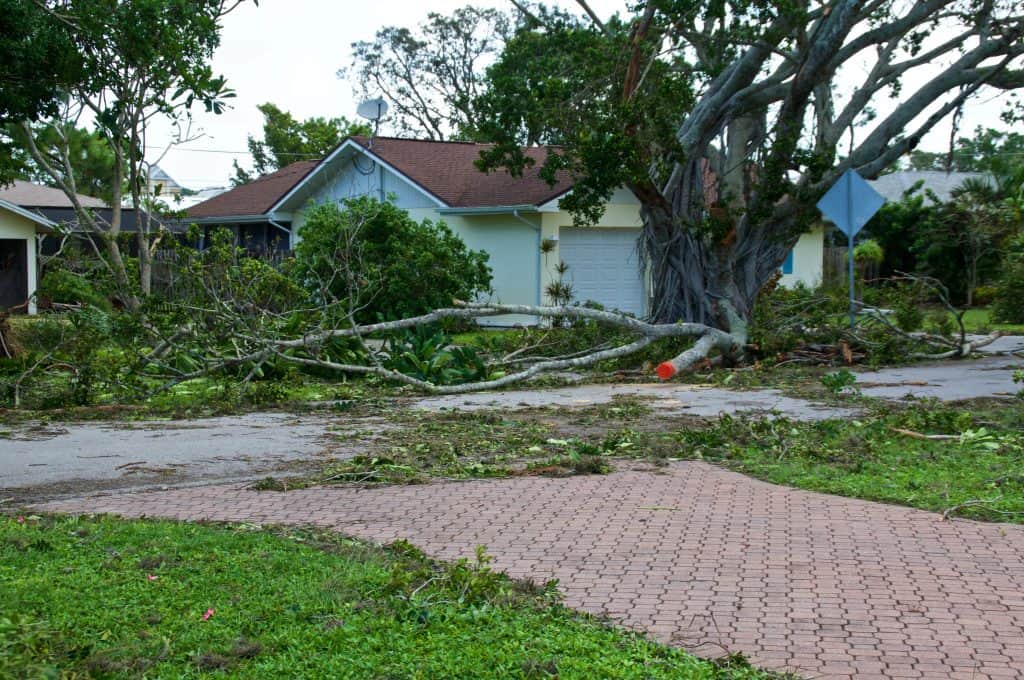
Naples households know the drill by now. Water, batteries, flashlights, patio furniture dragged inside, gas topped off. The refrigerator gets ignored until the power’s been out six hours and somebody opens it to see how things are going in there.
That’s the part of a storm nobody budgets for.
Why September matters here
NOAA’s updated outlook for 2026 calls for a below-normal Atlantic season. That’s the whole basin, though, and a below-normal season says nothing about whether a storm finds Collier County. The agency still expects most of the season’s activity in August, September, and October, which is where we are.
Collier County asks residents and businesses to be able to go seven days on their own supplies. That’s up from the old 72-hour advice, and the county changed it because restoration after a major storm takes longer than three days. Most people read that as canned food and bottled water. Fewer think about the groceries already sitting in the kitchen.
Four hours
That’s the number worth memorizing. The FDA says an unopened refrigerator holds food safe for about four hours after the power cuts.
Unopened is doing a lot of work in that sentence. Every time the door swings, cold air falls out and room air takes its place.
Once refrigerated food has sat above 40°F long enough, it’s finished. FoodSafety.gov keeps a line-by-line keep-or-toss chart if you want to argue with it later, but the list of things that go first:
- Raw meat and poultry
- Cooked meat, and any leftovers built on it
- Seafood, including anything thawed in the fridge on Sunday
- Milk, cream, and anything cultured
- Eggs, in or out of the shell
- Soft cheeses (hard cheeses are more forgiving)
- Cooked vegetables and cooked rice or pasta
- Cut fruit and cut vegetables, including the bagged salad
And you can’t smell your way to an answer. The bacteria that make people sick don’t announce themselves, so chicken that spent nine hours at 55 degrees can look and smell exactly like chicken. A refrigerator thermometer settles it in two seconds.
The freezer buys you longer
A full freezer holds about 48 hours with the door shut. Half full, closer to 24.
The reason is dumb and useful: frozen food is its own ice. So push everything together into one block instead of leaving it spread across three shelves, and fill the gaps with jugs of water frozen ahead of time. Those double as drinking water, or as cooler ice, once things get bad.
When power comes back, ice crystals are your evidence. Still crystallized, or reading 40°F or below? Cook it or refreeze it.
Stocking up before there’s a cone on the map
All of this is easier to buy in July than on the Tuesday before landfall, when the ice at every Publix on 41 is gone by ten in the morning.
The kitchen outage kit:
- A refrigerator thermometer and a freezer thermometer
- One or two insulated coolers, bigger than you think
- Frozen gel packs
- Ice, bagged or in blocks
- Bottled water
- Shelf-stable food
- A manual can opener, because the electric one is decorative for a week
- Paper plates, cups, and disposable utensils
- A food thermometer for cooking afterward
Then use the freezer as storage. Milk freezes. So do leftovers, bread, and any meat you weren’t going to cook this week. Anything you move out of the fridge buys itself another day of margin.
And build your storm meals around food that doesn’t need cold at all:
- Canned chicken, tuna, and chili
- Peanut butter
- Crackers, tortillas, and shelf-stable bread
- Boxed or canned shelf-stable milk
- Cereal and granola
- Canned fruit, dried fruit, applesauce cups
- Jerky, nuts, and whatever else you’ll actually eat at 2pm with no air conditioning
Every meal you make without opening the refrigerator is cold you keep.
While you’re at it, the wiring
Storm prep is all about the outage that’s coming. It’s worth ten minutes on the electrical problems you already have.
A modern kitchen pulls hard: refrigerator, freezer, microwave, dishwasher, range, plus whatever lives on the counter, spread across several circuits. The things people write off as an old house being an old house:
- A breaker that trips every time two appliances run together
- Lights that flicker or dim when the fridge kicks on
- Outlets that feel loose, warm, or won’t hold a plug
- Scorch marks or a burning smell near a receptacle
- A panel that’s been giving you trouble since spring
Having those looked at by an electrician in Naples tells you whether it’s the outlet, the circuit, the panel, or something in the walls. Do it now and you get an appointment. Do it after a storm and you’re on a list with the rest of the county.
Don’t improvise power
Generators run outside. Not the garage, not a screened lanai, not a shed, not “just inside the door with the door open.” The CPSC’s safety alert on portable generators says never to run one inside a home, garage, crawlspace or shed “even when using fans or opening doors and windows for ventilation.” Carbon monoxide does its damage in the recovery week, after the wind has stopped and everyone’s relaxed.
And never run a cord from a generator into a wall outlet to power the house. The CPSC calls that backfeeding, and it does two things: it pushes current back onto the utility line where crews are working, and it skips right past your breakers. Feeding a panel from a generator takes properly installed transfer equipment.
For a short outage, the cheapest generator is the cold you already have. Leave the doors shut.
When the lights come back
Power on doesn’t mean everything in there survived.
Check a temperature first – the refrigerator’s, or the food’s. Under four hours with the door closed and you’re almost certainly fine. Longer than that, and you’re deciding item by item:
- Above 40°F for more than two hours: meat, poultry, seafood, milk, eggs, leftovers, soft cheese, cut produce all go in the trash
- Still frozen hard, or holding ice crystals: cook it or put it back in the freezer
- Reading 40°F or below when you check it: same, it’s fine
- Anything you’re arguing with yourself about: trash
A bag of thrown-out groceries costs less than a bad call on chicken.